About This Guide
This guide covers the 11 most clinically significant toxic mushroom species in British Columbia’s Pacific Coastal region — including amatoxins, allenic norleucine nephrotoxins, gyromitrin/MMH, ibotenic acid/muscimol, muscarine, gastrointestinal irritants, and psilocybin. BC’s temperate rainforest climate and diverse conifer forests support exceptional mushroom diversity, with peak poisoning season running fall through early spring.
Poison Control (tap to call):
BC DPIC Vancouver 604-682-5050
• BC-Wide Toll-Free 1-800-567-8911
• Critical Emergencies 911
Clinical Use Only. This reference is intended for healthcare providers, poison control specialists, and trained foragers. It is not a foraging identification guide. Always contact BC DPIC for real-time case management guidance. Treatment recommendations should be confirmed against current clinical guidelines.
Quick Reference — All 11 Species
| Species | Common Name | Tier | Toxin | Onset | Primary Risk |
|---|
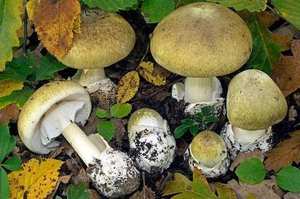
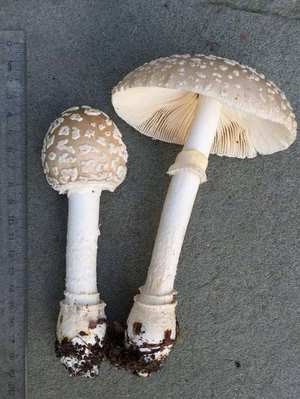
| Amanita phalloides | Death Cap | Tier 1 | Amatoxins | 6–24h GI / 72–96h hepatic | Fulminant hepatic necrosis |
| Amanita smithiana | Smith’s Amanita | Tier 1 | Allenic norleucine | 2–6h GI / 1–4 days AKI | Acute renal tubular necrosis |
| Gyromitra esculenta | False Morel | Tier 1 | Gyromitrin / MMH | 6–12h | Hemolysis, seizures, hepatorenal |
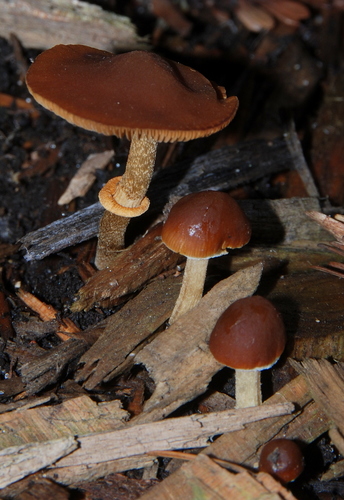
| Galerina marginata | Deadly Galerina | Tier 1 | Amatoxins | 6–24h (biphasic) | Fulminant hepatic necrosis |
| Conocybe filaris | Deadly Conocybe | Tier 1 | Amatoxins | 6–24h (biphasic) | Fulminant hepatic necrosis |
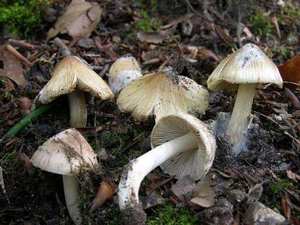
| Inocybe geophylla | White Fiber Cap | Tier 2 | Muscarine | 15–30 min | Cholinergic crisis (SLUDGE) |
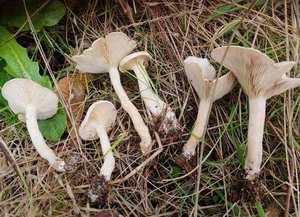
| Clitocybe dealbata | Ivory Funnel | Tier 2 | Muscarine | 15–30 min | Cholinergic crisis (SLUDGE) |
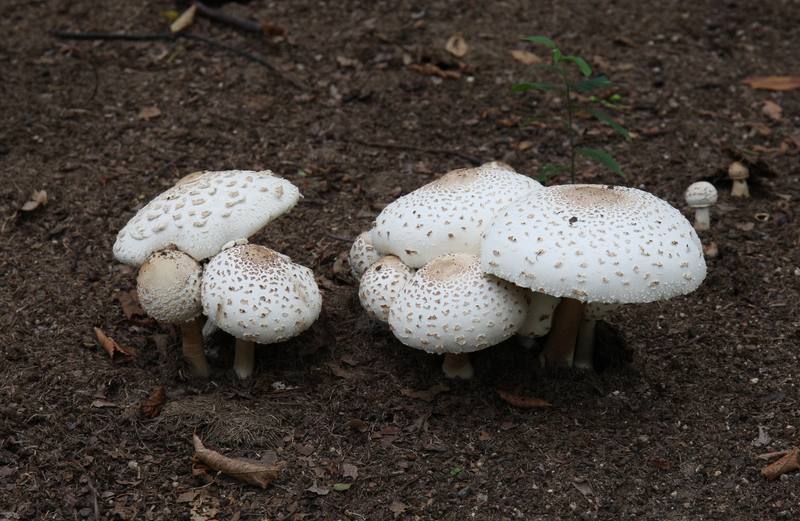
| Chlorophyllum molybdites | False Parasol | Tier 3 | GI irritants | 30 min – 3h | Severe hemorrhagic gastroenteritis |
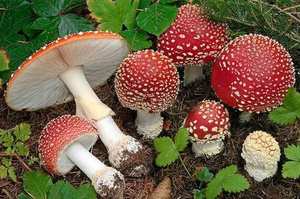
| Amanita muscaria | Fly Agaric | Tier 3 | Ibotenic acid / Muscimol | 30 min – 2h | CNS toxidrome, delirium |
| Amanita pantherina | Panther Cap | Tier 3 | Ibotenic acid / Muscimol | 30 min – 2h | CNS toxidrome (more potent) |
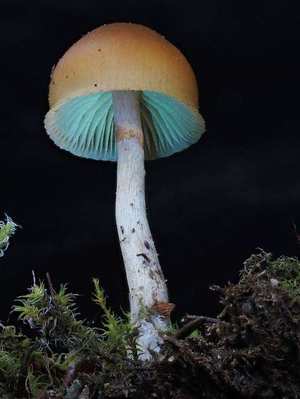
| Psilocybe cyanescens | Wavy Cap | Tier 3 | Psilocybin / Psilocin | 10–60 min | Hallucinations, dysphoria, tachycardia |
⚠ Tier 1 — Life-Threatening: Immediate Emergency Response Required
🔎 Primary ID Anchors
Green to olive-yellow cap (5–15 cm, pale centre); cup-like white volva (sack at base, often buried — always dig up the base); white gills; white partial veil ring on stipe. These two features — green cap + volva — distinguish it from edible lookalikes.
Toxin
Amatoxins (RNA polymerase II inhibitors)
Onset
6–24 hours GI phase; 72–96h hepatic phase (delayed)
Symptoms
Severe secretory “rice-water” diarrhea and cramping → false recovery → fulminant hepatic necrosis and liver failure
BC Habitat
Urban BC lawns; under ornamental oaks, imported European trees in parks and residential areas
⚠ FALSE RECOVERY PHASE: After 24–72h apparent improvement, hepatocyte destruction continues. Do NOT discharge. ICU + urgent liver transplant consult EARLY regardless of apparent improvement.
Treatment: Aggressive IV fluid resuscitation, multi-dose activated charcoal, IV Silibinin (Legalon) or high-dose Penicillin G, N-acetylcysteine (NAC), urgent Liver Transplant consult.
INR Monitoring: Monitor INR every 6–8 hours alongside LFTs — INR changes often precede AST/ALT spikes and tracks liver synthesis failure more accurately.
🐾 Veterinary Note: Extreme lethality in dogs foraging in urban BC lawns. Dogs exhibit rapid, devastating liver destruction. Prognosis is grave without immediate aggressive decontamination, IV silibinin, and supportive care. Decontamination window: gastric lavage or activated charcoal must be initiated within 2–4 hours post-ingestion. Standard decontamination is ineffective once the GI phase settles due to rapid canine metabolic rates.
🔎 Primary ID Anchor vs. Matsutake
Rooting base (key field separator): A. smithiana has a deeply rooting, tapered stipe base that extends well below ground — often 5–10 cm of buried stem. True Matsutake (Tricholoma murrillianum) has a blunt, club-like base that does not deeply root. Always excavate the full base before harvest. Additional: A. smithiana lacks Matsutake’s characteristic spicy cinnamon–pine odour; cap surface is white to off-white, often with a ragged partial veil remnant.
Toxin
Allenic norleucine (nephrotoxin — direct chemical nephrotoxin causing acute renal tubular necrosis)
Onset
Initial GI symptoms 2–6 hours; AKI delayed 1–4 days
Symptoms
Severe acute nephrotoxicity, delayed AKI, lumbar pain, uremic malaise, nausea, vomiting
BC-Specific Risk
Commercial and recreational Matsutake pickers throughout BC coastal forests; large-volume harvest increases exposure risk
⚠ CRITICAL DISCHARGE RISK: Patients are often dangerously discharged from the ED after initial GI symptoms resolve before renal failure develops. Nephrology admit with serial creatinine and BUN monitoring is mandatory.
Treatment: Nephrology admit, serial creatinine and BUN monitoring, hemodialysis or CRRT if uremia or hyperkalemia develops.
Clinical Note: The Matsutake lookalike situation is a BC-specific life safety issue. A single misidentified Amanita smithiana can cause irreversible renal failure requiring long-term dialysis.
🐾 Veterinary Note: Dogs consuming this display severe, delayed gastrointestinal distress followed by oliguric or anuric renal failure within 48 hours. Aggressive fluid diuresis must be initiated prior to the onset of severe uremia. Decontamination window: gastric lavage or activated charcoal must be initiated within 2–4 hours post-ingestion. Standard decontamination is ineffective once the GI phase settles due to rapid canine metabolic rates.
🔎 Key Differentiation from True Morels
Gyromitra (FALSE Morel): cap has brain-like, irregular, convoluted folds — wrinkled and lobed, often saddle-shaped or asymmetric. Cap is NOT hollow when sliced vertically. Reddish-brown to chestnut cap.
Morchella (TRUE Morel): cap has a regular honeycomb pit-and-ridge structure — deep, well-defined pits with sharp ridges, like a sponge or lattice. Cap is completely hollow inside when sliced vertically. When in doubt, slice lengthwise: hollow = true morel; solid/chambered = false morel.
Toxin
Gyromitrin / MMH (monomethylhydrazine)
Onset
6–12 hours (delayed)
Symptoms
Headache, vomiting, hemolysis, methemoglobinemia, seizures, hepatorenal failure
Season
Spring (April–June); coniferous forest floors, post-fire areas, BC Interior
🔒 PYRIDOXINE WORKFLOW LOCK: If seizures or altered mental status — prepare STAT IV Pyridoxine immediately.
Treatment: IV Pyridoxine (Vitamin B6) 25 mg/kg STAT for seizures or altered mental status. Note: Pyridoxine addresses neurological symptoms but does NOT stop hepatorenal failure or hemolysis. Methylene Blue for methemoglobinemia >30%, heavy fluid support, hepatology consult.
🐾 Veterinary Note (Tier 1): MMH is toxic to dogs — hemolysis and hepatic injury. Decontamination window: gastric lavage or activated charcoal must be initiated within 2–4 hours post-ingestion. Standard decontamination is ineffective once the GI phase settles due to rapid canine metabolic rates.
⚡ Tier 2 — Severe Organ Damage & Severe Neurotoxicity
Toxin
Amatoxins (identical mechanism to Death Cap)
Onset
6–24 hours (delayed biphasic)
Symptoms
Identical to Death Cap poisoning — severe hepatotoxicity, false recovery, liver failure
Treatment
Treat identically to Amanita phalloides — Silibinin, aggressive fluids, NAC
⚠ Treat identically to Amanita phalloides: IV Silibinin, aggressive fluids, NAC. Do not reduce urgency because of smaller size or “LBM” appearance.
INR Monitoring: Monitor INR every 6–8 hours alongside LFTs — INR changes often precede AST/ALT spikes and tracks liver synthesis failure more accurately.
🐾 Veterinary Note (Tier 1): Same amatoxin toxicology as Death Cap — potentially fatal in dogs. Apply identical aggressive decontamination and hepatoprotectant protocol. Decontamination window: gastric lavage or activated charcoal must be initiated within 2–4 hours post-ingestion. Standard decontamination is ineffective once the GI phase settles due to rapid canine metabolic rates.
Onset
15–30 minutes (rapid)
Symptoms
SLUDGE Syndrome: Salivation, Lacrimation, Urination, Defecation, GI distress, Emesis + severe miosis, bradycardia, bronchospasm
Treatment
Atropine titrated to resolution of respiratory secretions
⚡ RAPID ONSET: Full cholinergic crisis within 30 minutes. Atropine 1–2 mg IV every 5 minutes, titrating to dry secretions (not to heart rate).
Atropine Ceiling: Titrate Atropine to drying of bronchial secretions — not to heart rate or pupil size. Over-titrating based on tachycardia causes independent harm.
🐾 Veterinary Note: Highly dangerous to small pets due to rapid onset of profound bradycardia and severe respiratory distress from fluid in the lungs. Treat immediately with veterinary atropine.
⚙ Tier 3 — Moderate to Severe Gastroenteritis & Psychotropic Syndromes
Toxin
Miscellaneous gastrointestinal irritants
Onset
30 minutes to 3 hours (rapid)
Symptoms
Severe explosive vomiting, watery diarrhea, and cramping leading to hypovolemic shock
Treatment
Aggressive IV fluid replacement and antiemetics
🐾 Veterinary Note: The primary cause of mushroom-related emergency vet visits. Can cause severe, life-threatening hemorrhagic gastroenteritis and dehydration in smaller dogs if left untreated.
Toxin
Ibotenic acid and Muscimol
Onset
30 minutes to 2 hours
Symptoms
Alternating CNS depression (coma-like sleep) and CNS stimulation (delirium, hallucinations, muscle jerks, pantherine syndrome)
Treatment
Supportive care. Benzodiazepines for severe agitation or seizures. AVOID Atropine.
⚠ AVOID ATROPINE unless true muscarinic signs dominate (rare) — atropine worsens delirium in ibotenic acid/muscimol poisoning. Use benzodiazepines for severe agitation or seizures.
🐾 Veterinary Note: Structural amino acids in these species smell and taste sweet to canines, explaining why dogs specifically target them over other wild fungi. Dogs frequently eat dried caps and present comatose or experiencing severe, violent muscle tremors. Support respiratory function — prognosis is generally good with 24–48 hours of veterinary monitoring.
Toxin
Psilocybin / Psilocin
Symptoms
Hallucinations, dysphoria, panic, tachycardia, hyperthermia
Treatment
Quiet environment, benzodiazepines for severe anxiety or agitation
🔴 MISIDENTIFICATION RISK: If amatoxin symptoms present 6–24h after consuming what patient believed was Psilocybe, consider Galerina marginata poisoning immediately — it is fatal.
Treatment: Quiet, calm environment. Benzodiazepines (diazepam or lorazepam) for severe anxiety, panic, or agitation. Monitor vital signs for hyperthermia and tachycardia.
📋 Specimen Collection & Preservation Protocol — BC-Specific Appendix
Emergency Specimen Collection for Clinical Identification
Emergency Photography
Capture cap top, stem, underside (gills or pores). Use a scale marker (coin, key, pen). Photograph habitat context — urban lawn, base of oak tree, coniferous forest floor.
Safe Physical Extraction
Dig, do not pick. Preserve the base — the sack-like volva of a Death Cap or rooting base of Amanita smithiana is buried underground and critical for ID. Collect multiple growth stages if available.
Packaging
🚫 FORBIDDEN: Plastic bags — trap moisture, destroy spores, degrade specimens
✓ MANDATORY: Wax paper, paper bags, or aluminum foil. Store cap-down. Refrigerate — do NOT freeze.
Diagnostic Metadata to Document
- Substrate: soil, wood, mulch, tree roots
- Tree species within 10 meters: Oak, Birch, Pine, Douglas fir (critical for mycorrhizal species ID)
- Physical odor: raw potatoes = Amanita smithiana diagnostic indicator
- Location context: urban lawn, base of oak tree, coniferous forest floor, wood chip mulch
- Time of collection and approximate age of mushroom (button, mature, overmature)
Sample Preservation: Wrap physical mushroom samples in paper or foil — never plastic. Refrigerate immediately to preserve microscopic structural features for poison control mycologists.
Disclaimer: This guide is intended as a clinical reference for trained healthcare professionals and is not a foraging identification guide. Mushroom identification from photographs or descriptions alone can be unreliable even for experts. Always contact BC Drug & Poison Information Centre for real-time case management: Vancouver
604-682-5050 | BC-Wide
1-800-567-8911. Treatment protocols should be confirmed against current evidence-based clinical guidelines. Updated and reviewed — June 2026.