How to use this guide
Each entry shows the edible plant side-by-side with its most commonly confused toxic lookalike. Read the Key Identification Differences section carefully before you harvest anything. When in doubt, use the regional tag to confirm the plants actually grow where you are. And remember: when in doubt, leave it out. No foraged food is worth a trip to the emergency room.
Wild Carrot (Queen Anne's Lace) vs. Poison Hemlock
Entry 1 of 10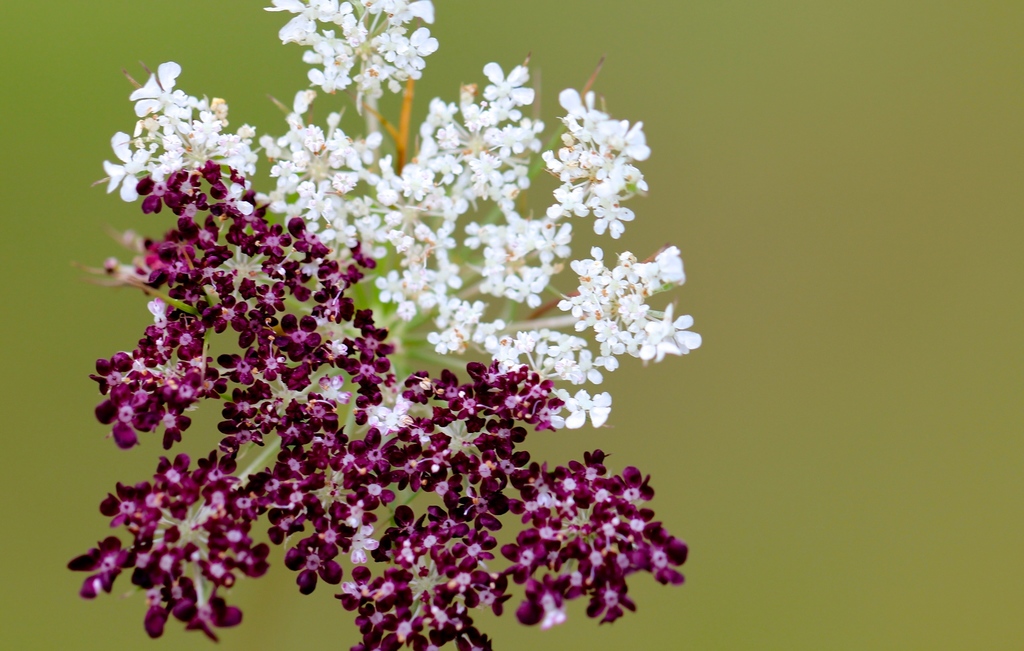 Photo: iNaturalist (CC)
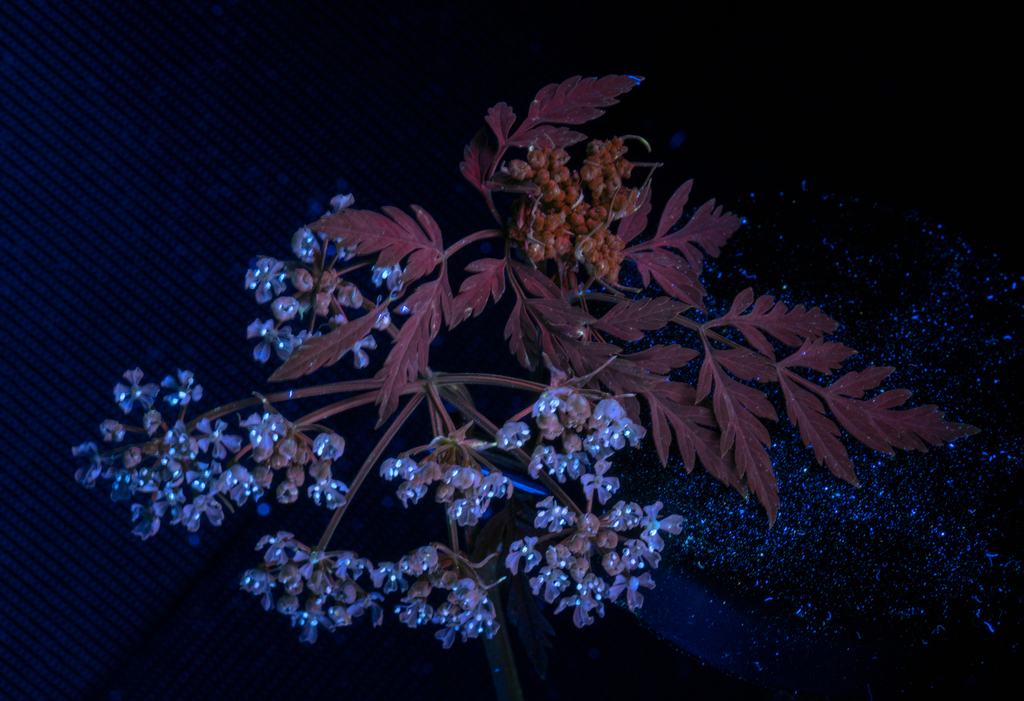 Photo: iNaturalist (CC)
🔍 Key Identification Differences
- Wild carrot stems are hairy; hemlock stems are smooth and waxy
- Hemlock has distinctive purple-red blotches or streaks on its hollow stems — wild carrot does not
- Wild carrot root smells like carrot; hemlock smells musty and unpleasant
- Wild carrot usually has one tiny purple/red flower at the center of the cluster; hemlock does not
- Wild carrot leaves are feathery and carrot-like; hemlock leaves are more triangular in outline
- Hemlock grows much taller — often 6 feet or more; wild carrot is typically 2–4 feet
Poison hemlock is deadly. Even small amounts of the plant — root, leaves, seeds, or stems — can cause paralysis and stop your breathing. It has killed people who mistook it for wild carrot or parsley. If you eat or touch it and feel tingling, numbness, or weakness, call Poison Control immediately: 1-800-222-1222.
Wild Garlic / Ramps vs. Death Camas
Entry 2 of 10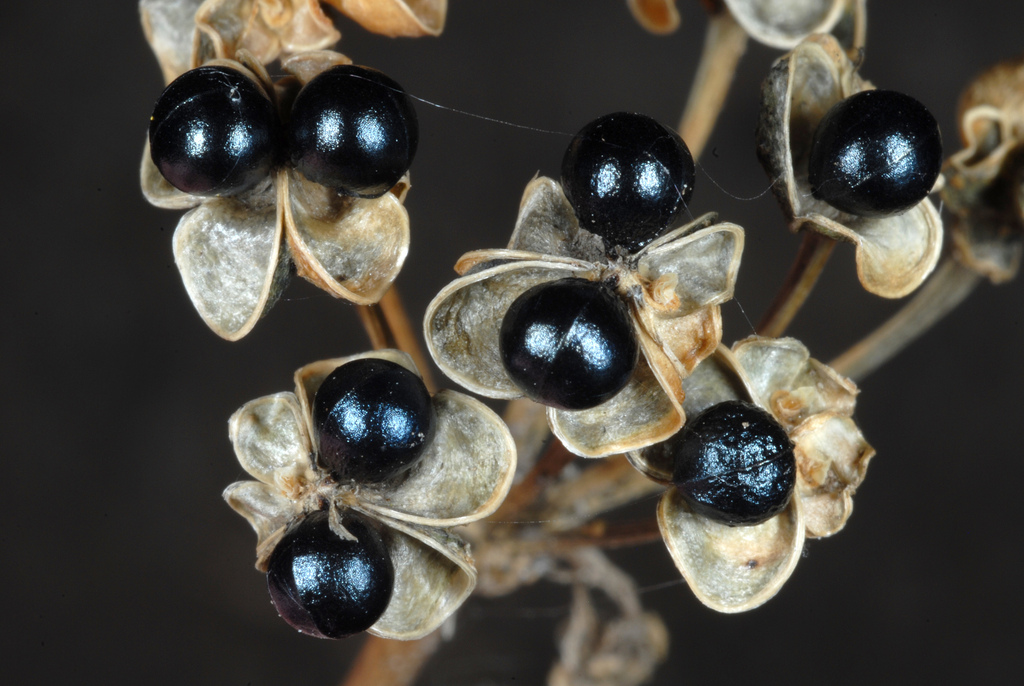 Photo: iNaturalist (CC)
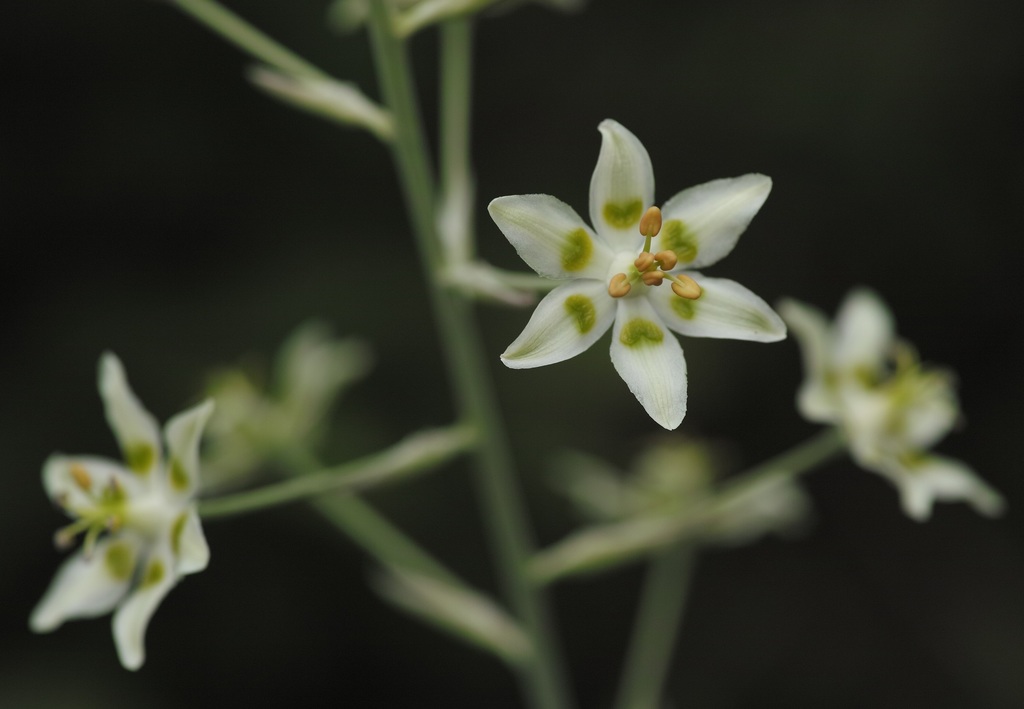 Photo: iNaturalist (CC)
🔍 Key Identification Differences
- The single most important test: crush a leaf and smell it. Ramps smell strongly of garlic or onion. Death camas has NO onion or garlic smell at all
- Ramp leaves are broad and flat; death camas leaves are narrow, grass-like, and folded lengthwise
- Ramps often have reddish-purple coloring near the stem base; death camas does not
- Death camas produces cream or white flowers in a dense cluster; ramps produce white flowers later in season after leaves die back
Death camas contains toxic alkaloids that can cause vomiting, low blood pressure, slowed heart rate, and in serious cases, can be fatal. The smell test is the single most reliable field check — if it doesn't smell like onion or garlic, do not eat it.
Elderberries vs. Pokeweed
Entry 3 of 10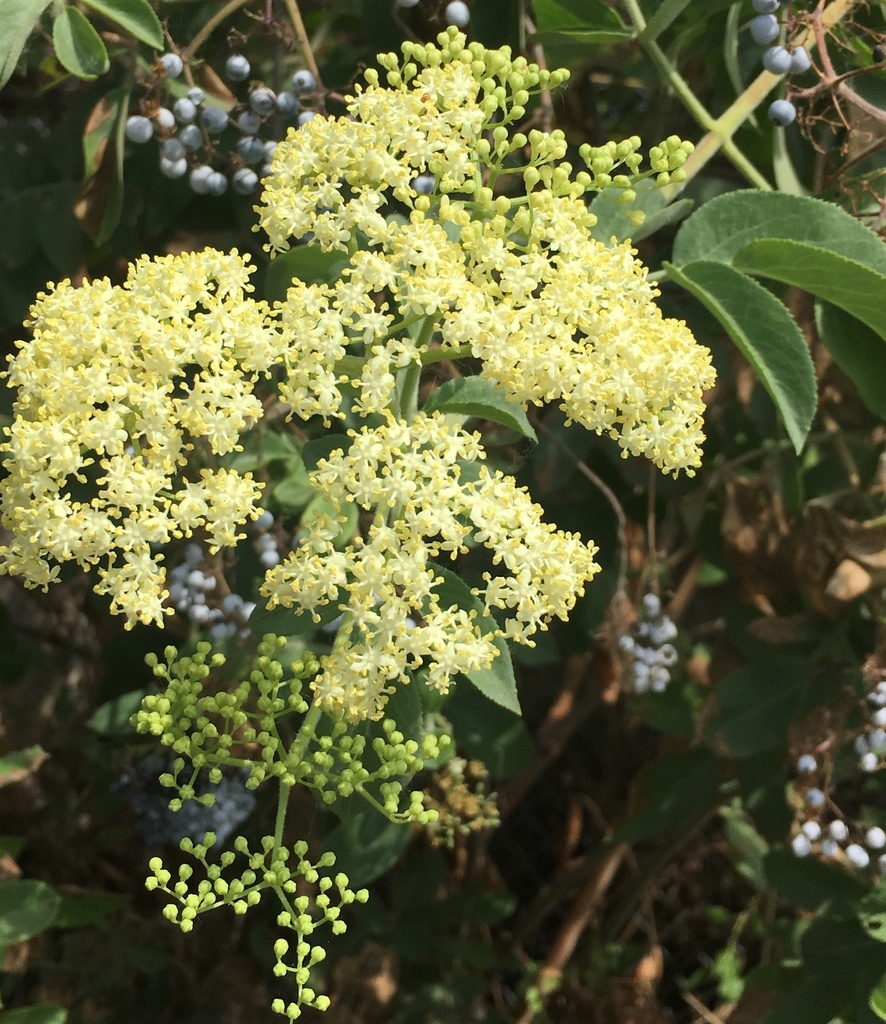 Photo: iNaturalist (CC)
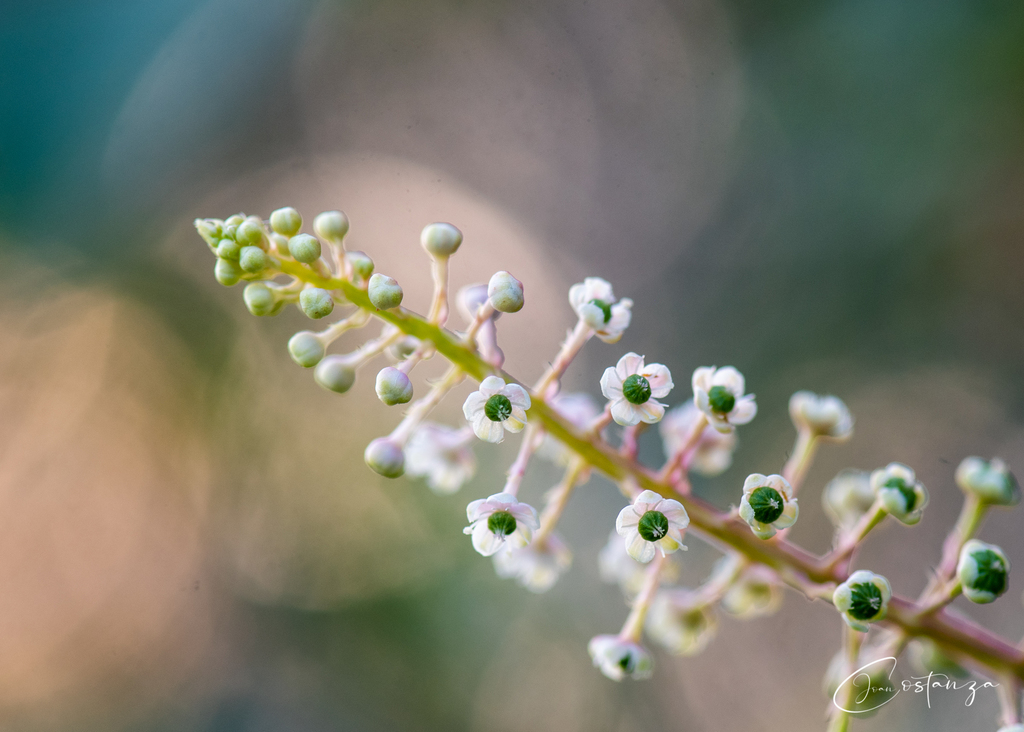 Photo: iNaturalist (CC)
🔍 Key Identification Differences
- Elderberry is a woody shrub; pokeweed is an herb that dies back each winter
- Pokeweed has strikingly bright magenta-pink or purple stems and stalks — elderberry stems are woody and gray-brown
- Elderberry berries grow in flat-topped clusters; pokeweed berries grow in long grape-like drooping racemes
- Elderberry leaves are compound (several leaflets per leaf stem); pokeweed has large, simple leaves
- Pokeweed grows very large — sometimes 10+ feet tall in one season
Pokeweed berries, roots, and leaves are all toxic. The roots are the most dangerous. Eating pokeweed causes severe vomiting, diarrhea, and can affect heart rhythm. Children are at higher risk. Even the raw berries can make adults very sick. The bright pink stems and long berry clusters are the giveaway.
Wild Strawberry vs. Mock Strawberry
Entry 4 of 10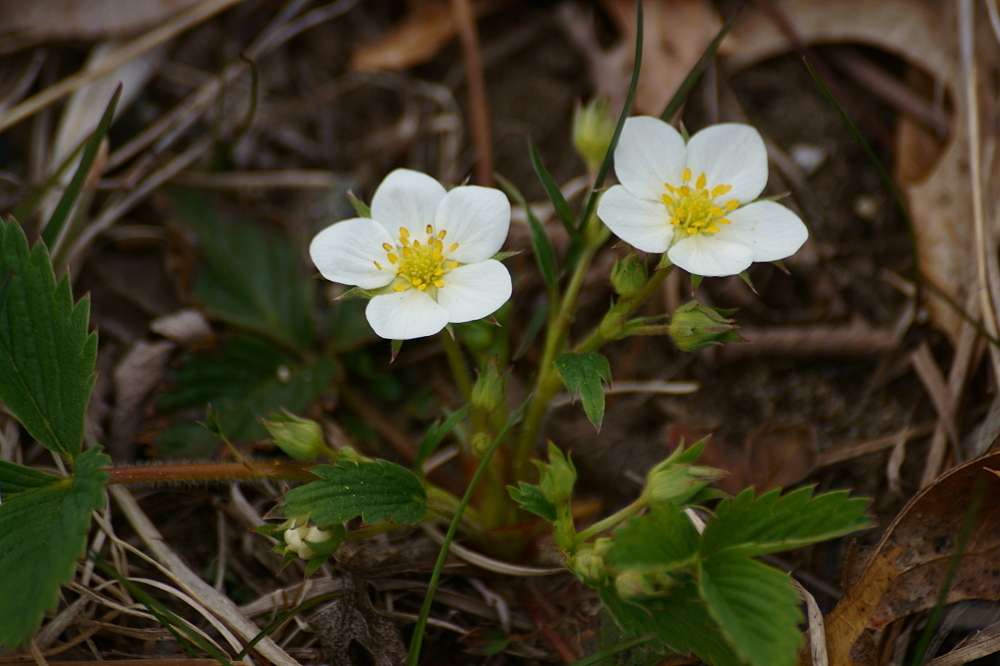 Photo: iNaturalist (CC)
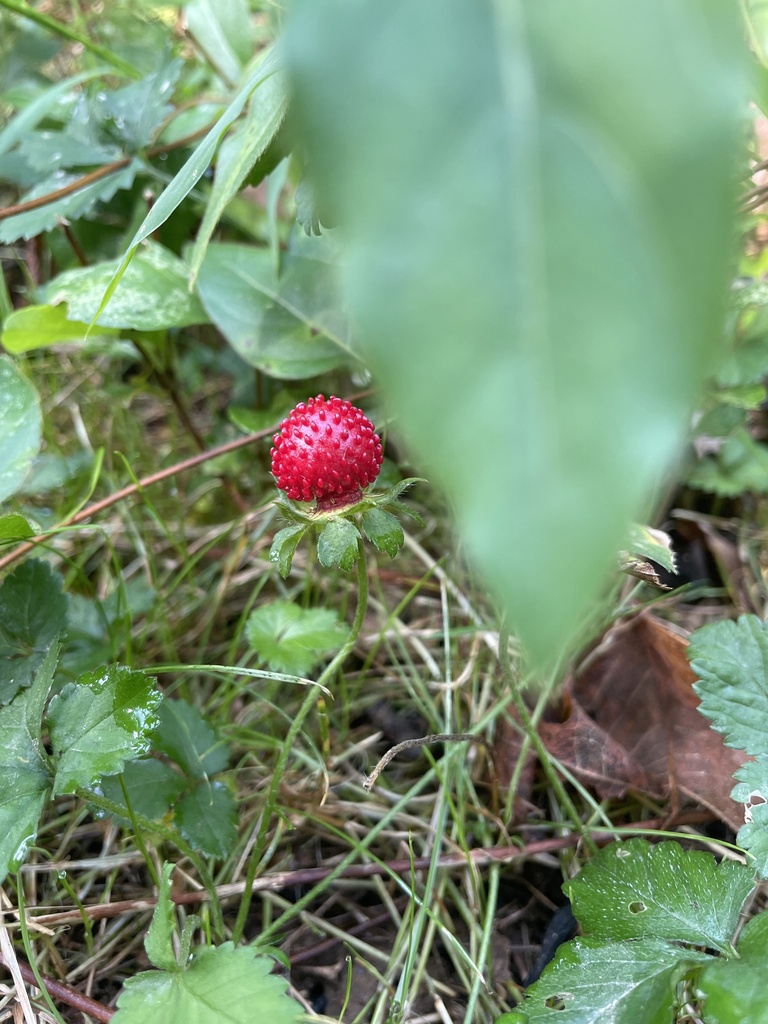 Photo: iNaturalist (CC)
🔍 Key Identification Differences
- Wild strawberry flowers are white; mock strawberry flowers are yellow
- Wild strawberry berries point or hang downward; mock strawberry berries point upward
- Wild strawberry berries taste sweet and intensely strawberry-like; mock strawberry berries are completely bland and tasteless
- Mock strawberry is originally from Asia and is often found in lawns and disturbed ground
Mock strawberry is mildly toxic at most — eating a handful is unlikely to cause serious problems for adults. The main risk is confusing it for something more dangerous. The bigger lesson here is to always check flavor and flower color before picking any berry.
Watercress vs. Fool's Watercress (Lesser Marshwort)
Entry 5 of 10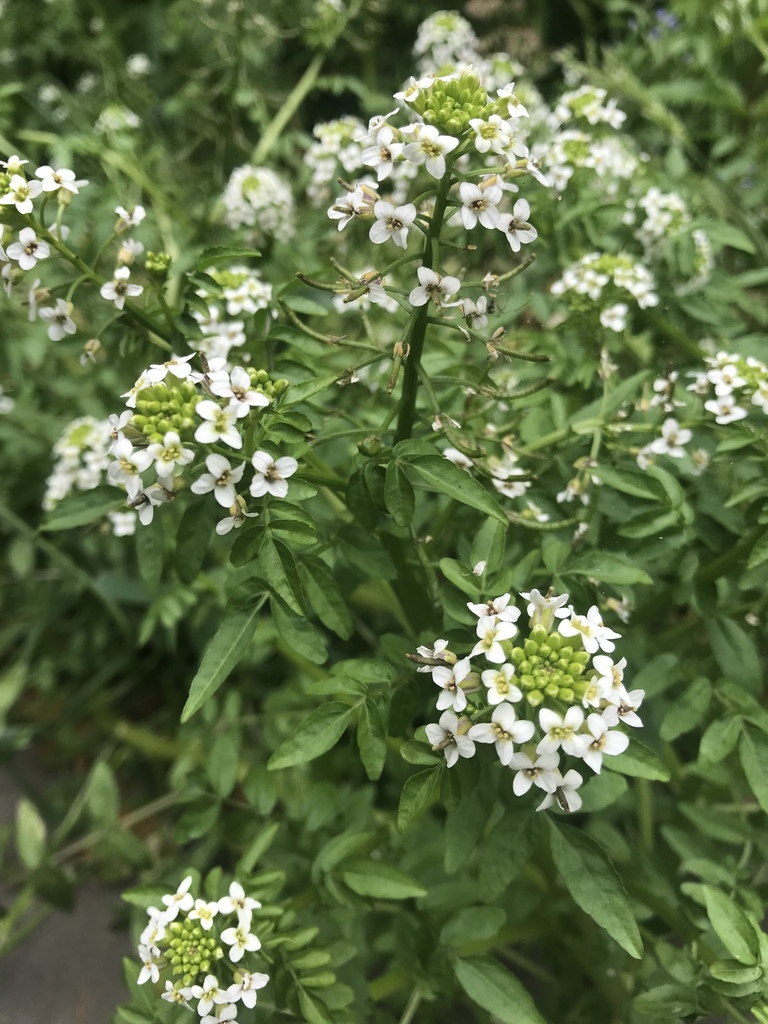 Photo: iNaturalist (CC)
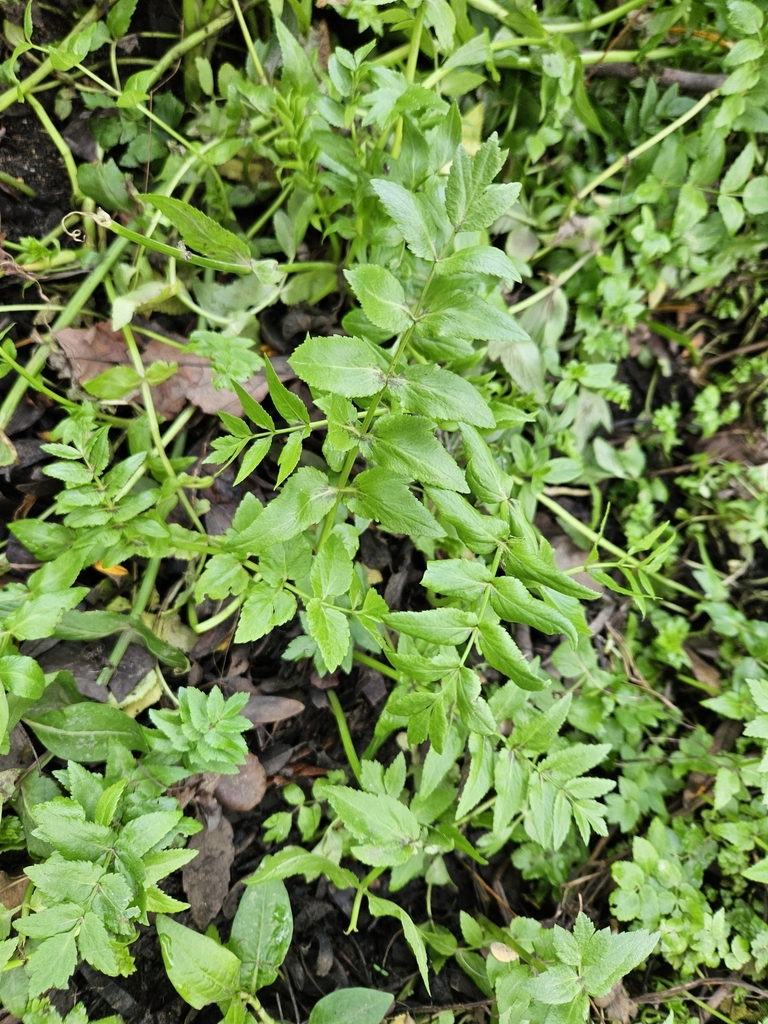 Photo: iNaturalist (CC)
🔍 Key Identification Differences
- True watercress leaflets are round to oval and smooth-edged; fool's watercress leaflets are more pointed and jagged
- Watercress has four-petaled flowers; fool's watercress has small umbel (umbrella-like) flower clusters
- Watercress has a clear peppery, spicy taste; fool's watercress is bland or slightly unpleasant
- Stems: watercress stems root at nodes and are hollow; marshwort stems are also hollow but the leaf arrangement differs
- When in doubt at any wet site, test taste cautiously — the spiciness of true watercress is distinctive
Fool's watercress itself is mildly toxic at best, but the real danger is confusing it with other plants in wet habitats — some members of the carrot family (including Water Hemlock) are among the most poisonous plants in North America. Never harvest any plant from wet, marshy areas unless you are 100% certain of identification.
Blackberries vs. Nightshade Berries
Entry 6 of 10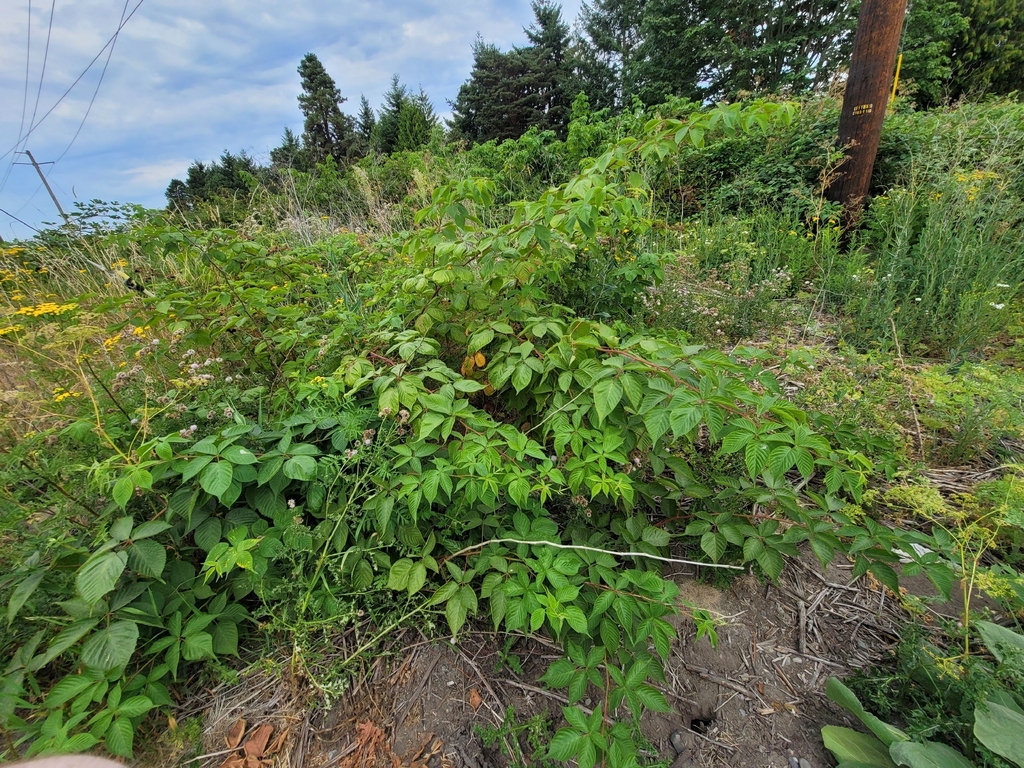 Photo: iNaturalist (CC)
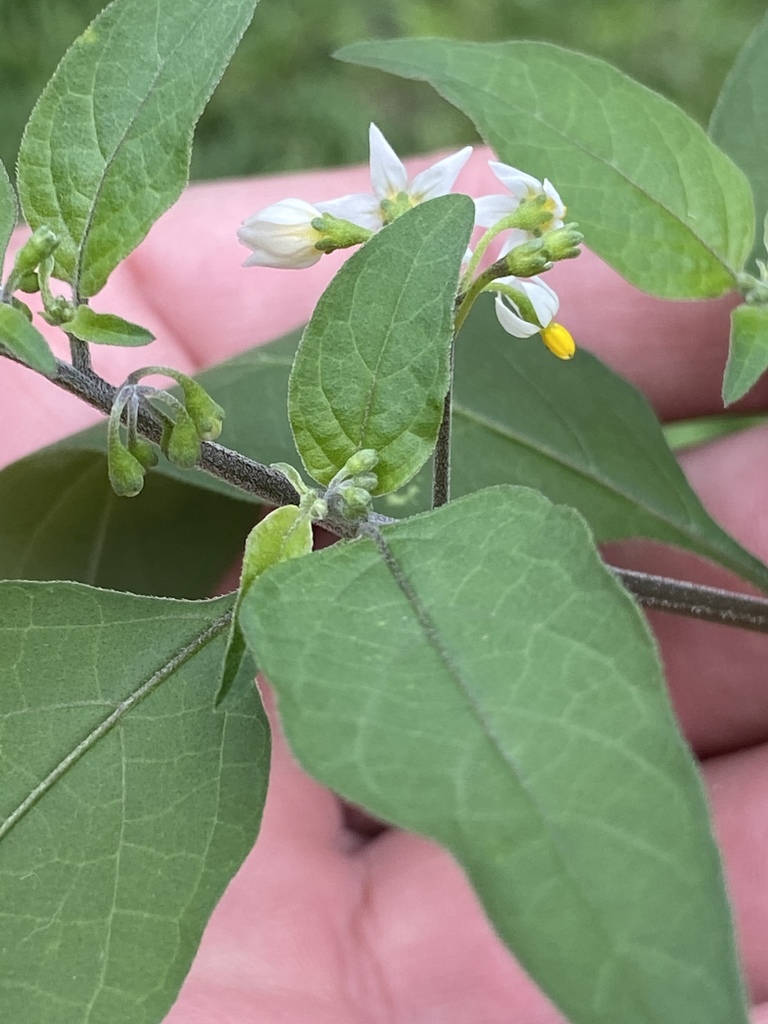 Photo: iNaturalist (CC)
🔍 Key Identification Differences
- Blackberries grow on thorny upright or arching canes; nightshade is a small vine or low weedy plant with no thorns
- Blackberry fruits are large, compound (made of many drupelets); nightshade berries are tiny, smooth, and round
- Blackberry leaves are compound (multiple leaflets); nightshade leaves are simple and often lobed or irregular
- Nightshade has distinctive star-shaped flowers with a yellow cone of stamens — easy to recognize
- Blackberries grow in large clusters on canes; nightshade berries hang in small loose drooping clusters
Nightshade berries contain solanine, which causes nausea, vomiting, stomach pain, and confusion. Unripe green berries are more toxic than ripe ones. Ripe black berries of black nightshade are less dangerous than the plant's reputation suggests, but they are still not food. Children are at much higher risk. When picking blackberries, always check the plant — if there are no thorns and the berries are very small, step back and look again.
Morel Mushrooms vs. False Morel
Entry 7 of 10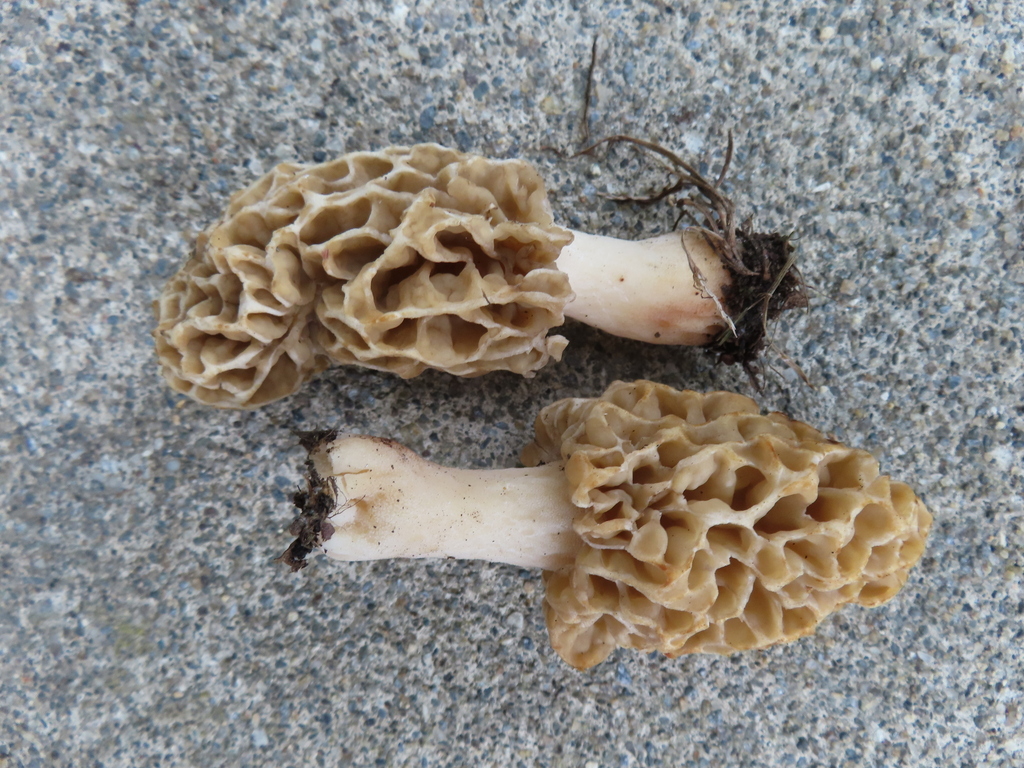 Photo: iNaturalist (CC)
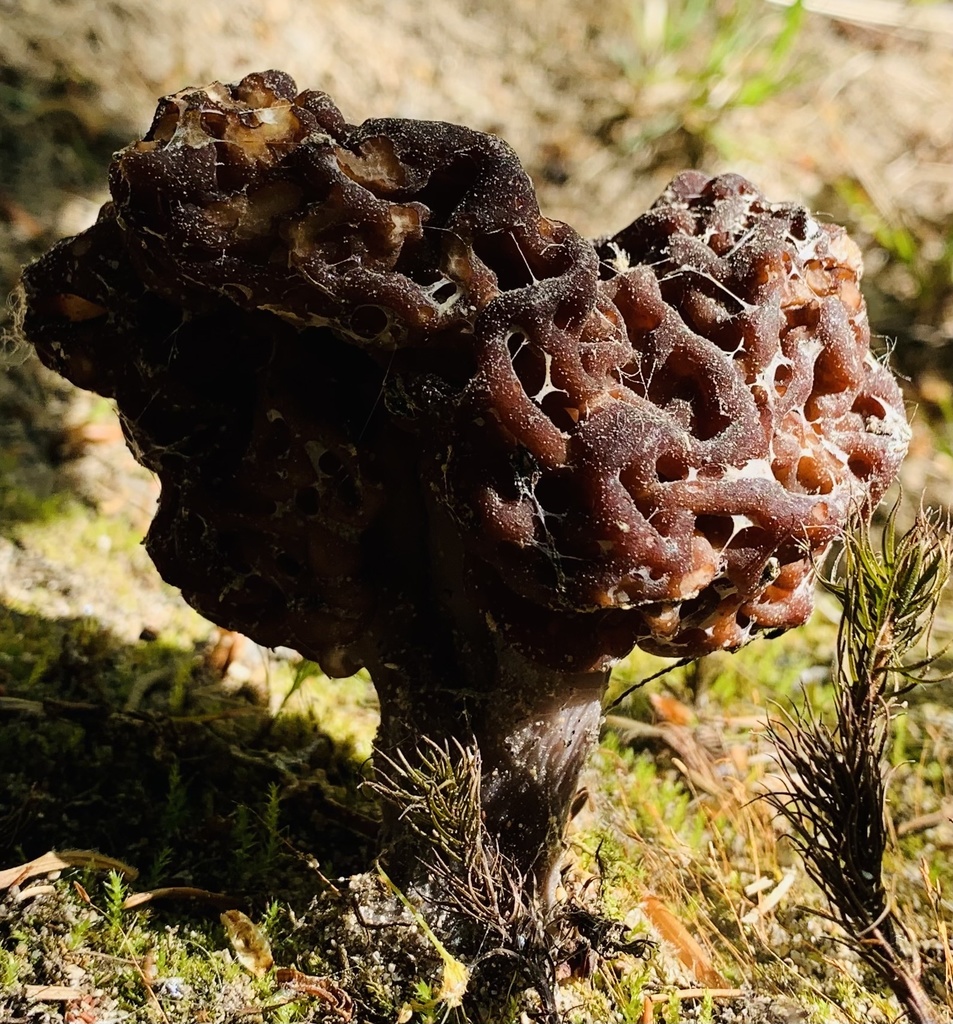 Photo: iNaturalist (CC)
🔍 Key Identification Differences
- True morel has a regular honeycomb of deep pits and ridges; false morel has an irregular, wrinkled, brain-like or saddle-shaped cap
- THE SLICE TEST: cut the morel in half from top to bottom. A true morel is completely hollow — one continuous open chamber. A false morel is chambered, cottony, or filled with material
- True morel cap is attached to the stem at the base; false morel cap may hang free or only partially attach
- False morels tend to have a more irregular, lobed shape with deep folds rather than pits
- Color alone is unreliable — both can range from tan to dark brown
False morels contain gyromitrin, which the body converts to a compound that causes liver and kidney damage, red blood cell destruction, and nervous system problems. Symptoms may not appear for 6–12 hours. Cooking reduces but does not eliminate the toxin. The hollow test is non-negotiable: if it isn't completely hollow top to bottom, don't eat it.
Wild Ginger vs. Birthwort
Entry 8 of 10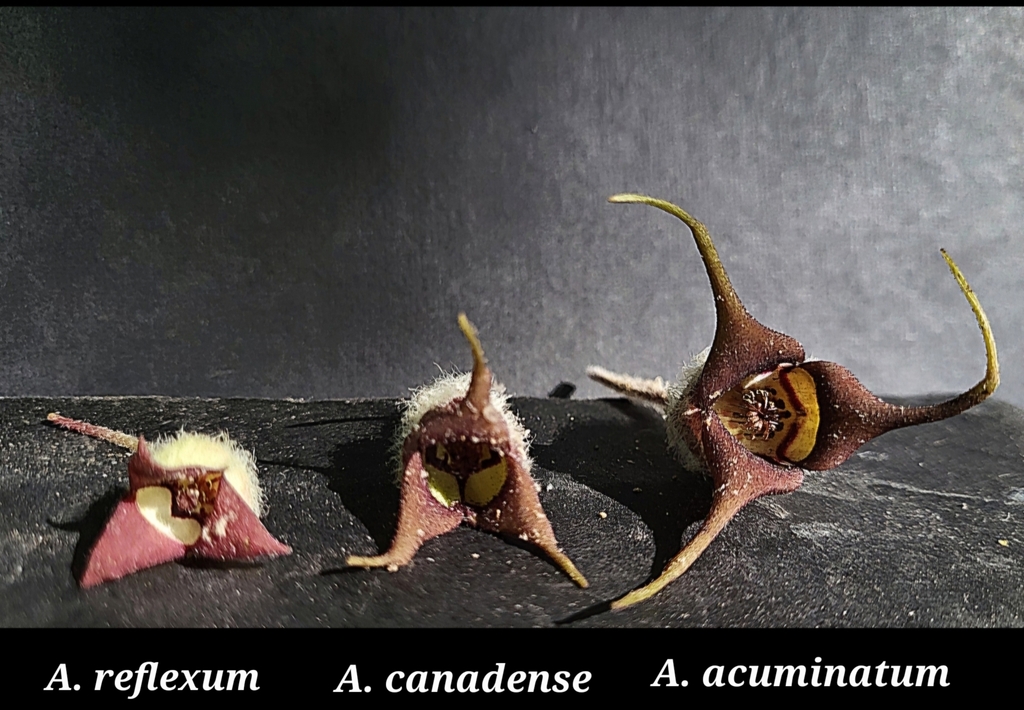 Photo: iNaturalist (CC)
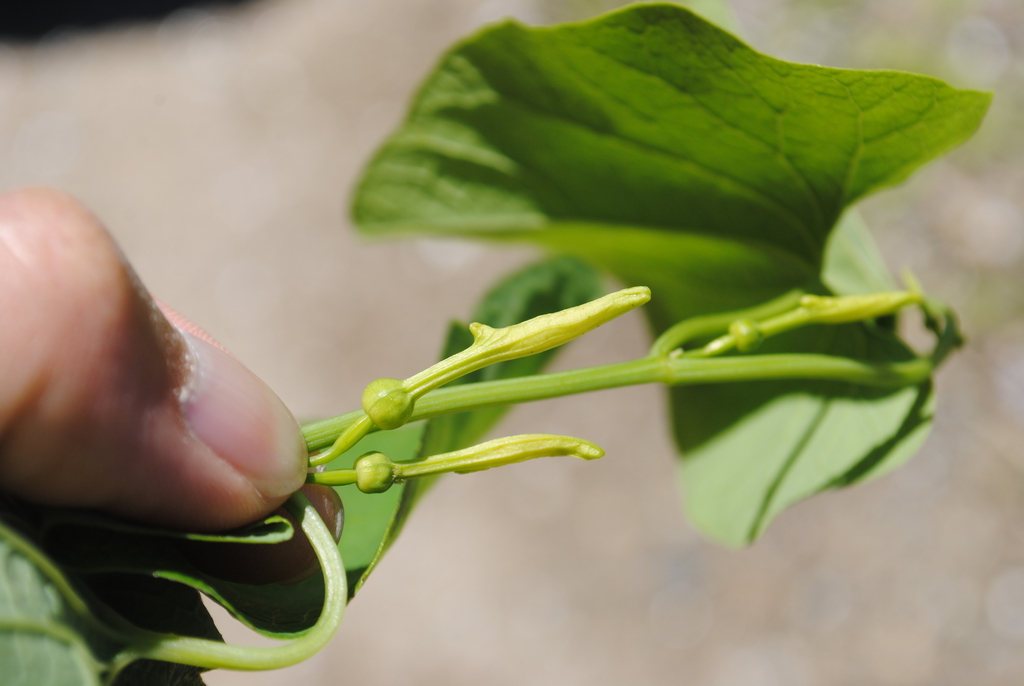 Photo: iNaturalist (CC)
🔍 Key Identification Differences
- Wild ginger leaves are paired on a single short stalk and the plant is very low-growing; birthwort grows as a taller vine or climbing plant
- Wild ginger root smells strongly of ginger when scratched; birthwort root does not have this scent
- Birthwort flowers are yellow and tubular with a distinctive pipe-like shape; wild ginger flowers are small, brownish, and cup-shaped near the ground
- Wild ginger is native and grows in moist deciduous forest; birthwort is a non-native introduction, more commonly found near disturbed areas and roadsides
Birthwort and other Aristolochia species contain aristolochic acid, a known kidney toxin and carcinogen. Long-term exposure causes severe, irreversible kidney damage. Wild ginger (Asarum canadense) should also be used sparingly — it contains small amounts of a related compound, safrole. The occasional use as a spice is generally considered low-risk, but don't eat it in quantity.
Lamb's Quarters vs. Pigweed / Toxic Lookalikes
Entry 9 of 10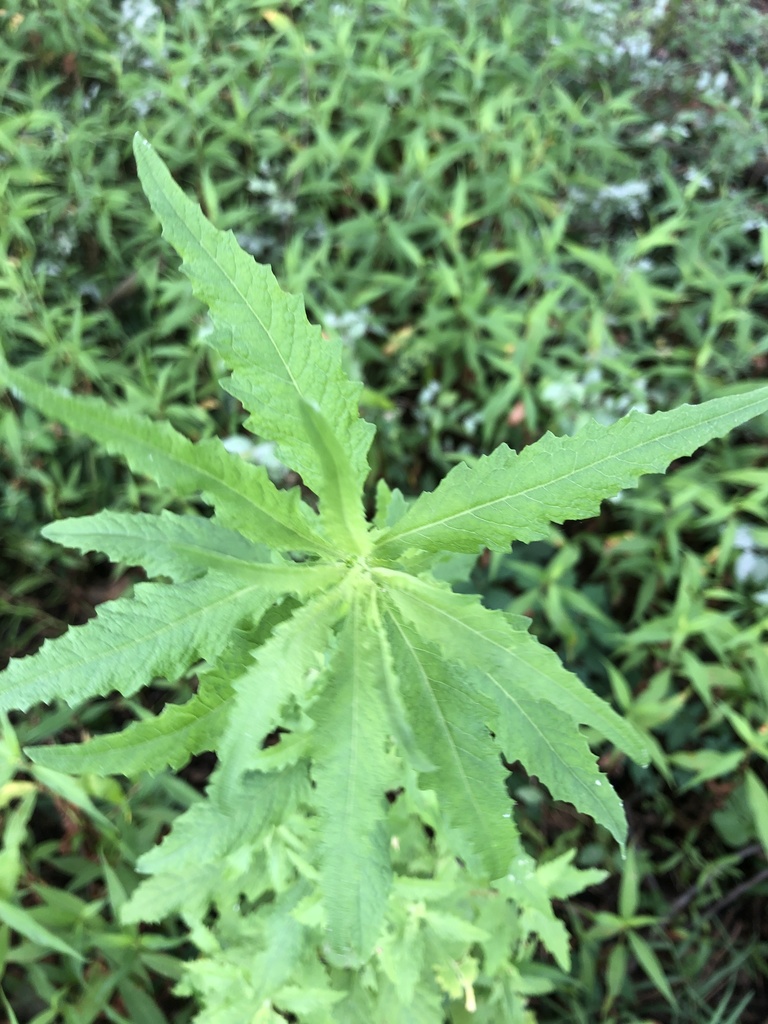 Photo: iNaturalist (CC)
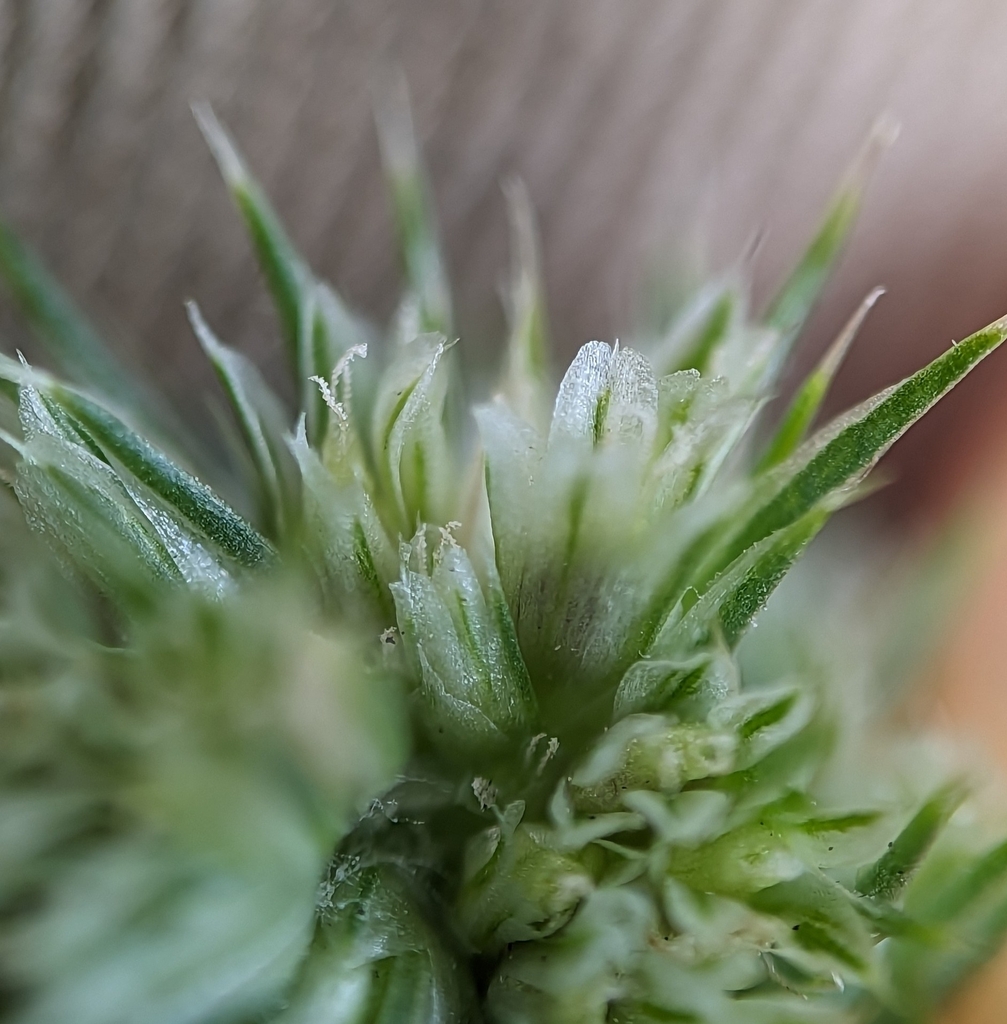 Photo: iNaturalist (CC)
🔍 Key Identification Differences
- Lamb's quarters leaves have a distinctive powdery, mealy white or gray coating — rub the leaf and it comes off on your fingers; pigweed leaves are plain green with no powder
- Lamb's quarters leaves are often diamond or goosefoot-shaped with toothed edges; pigweed leaves are oval to egg-shaped with wavy margins
- Pigweed stems are rougher and often hairy; lamb's quarters stems are smooth to slightly mealy
- Seed heads differ greatly: lamb's quarters has dense, small-seeded clusters; pigweed has coarse, bristly, spiny seed heads
Pigweed (Amaranthus) is not highly toxic but can accumulate nitrates in some conditions (especially after stress like drought or heavy fertilization), which can cause problems if eaten in large amounts. The main concern with both plants is harvesting from roadsides or areas that may have been treated with herbicides or contaminated with heavy metals — always harvest from clean, unsprayed ground.
Cattail vs. Blue Flag Iris
Entry 10 of 10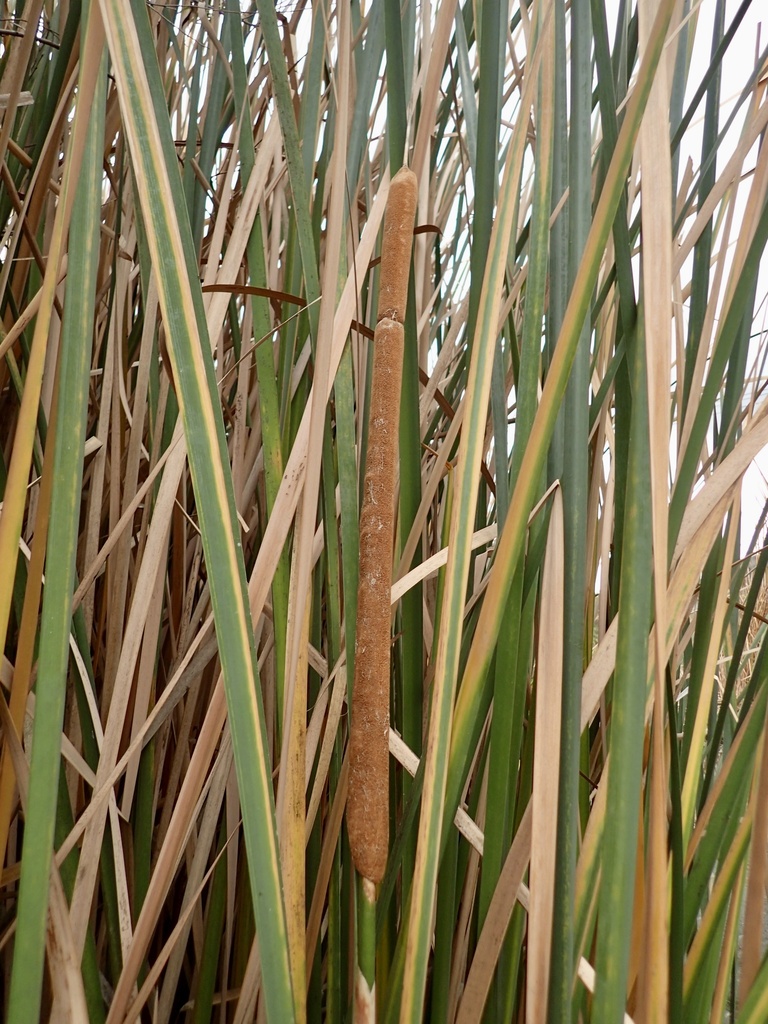 Photo: iNaturalist (CC)
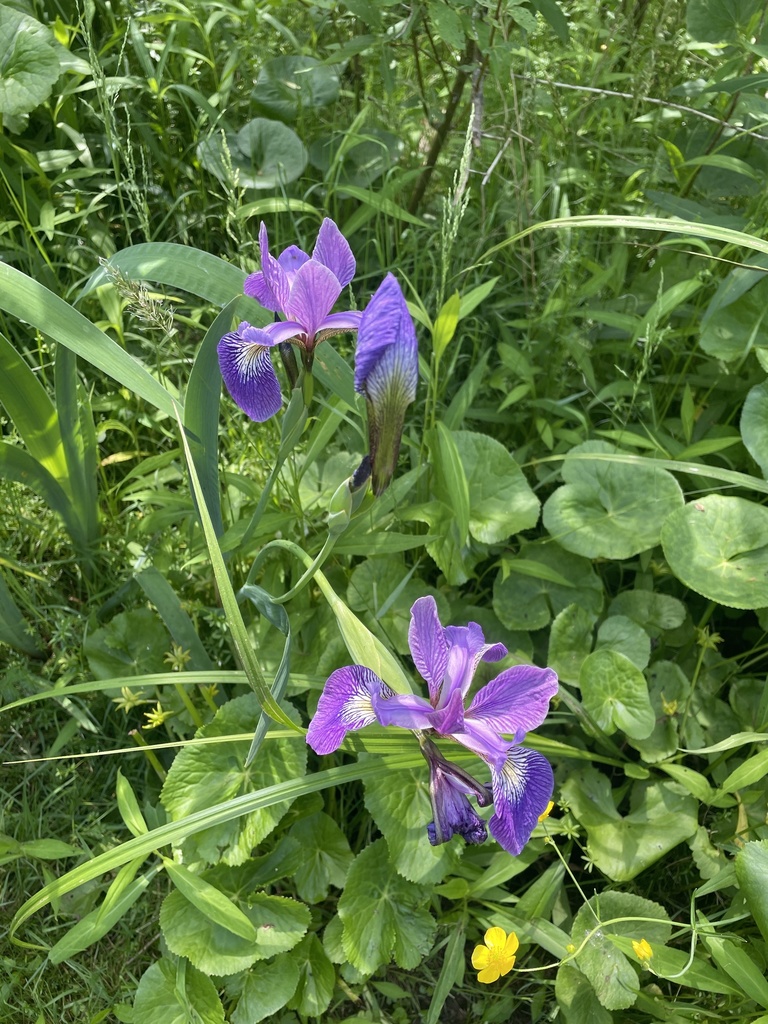 Photo: iNaturalist (CC)
🔍 Key Identification Differences
- Cattail leaves are flat, ribbon-like, and circular in cross-section; iris leaves are flat but arranged in a flat fan — they grow in a flattened plane, not rounded
- The cross-section test: squeeze the base of the leaf cluster. Cattail leaves wrap around in a circular bundle; iris leaves are flattened and fan-shaped
- Cattail leaves are spongy/pithy inside and lack a distinctive smell; iris leaves have a slightly acrid smell when crushed
- Mature cattails are unmistakable with their brown cylindrical seed head; iris has showy blue-violet flowers
- Iris roots are pink-tinged and firm; cattail roots are whitish and starchy
Blue flag iris contains irisin and other compounds that cause burning of the mouth, nausea, vomiting, and diarrhea. The roots (rhizomes) are the most toxic part. The confusion with cattail is most dangerous in early spring before either plant flowers — always check the leaf base before harvesting young shoots from any wet area.