⚠ If you suspect ingestion of this species, call Poison Control immediately:
1-800-222-1222 (US) · poison.org
1-800-222-1222 (US) · poison.org
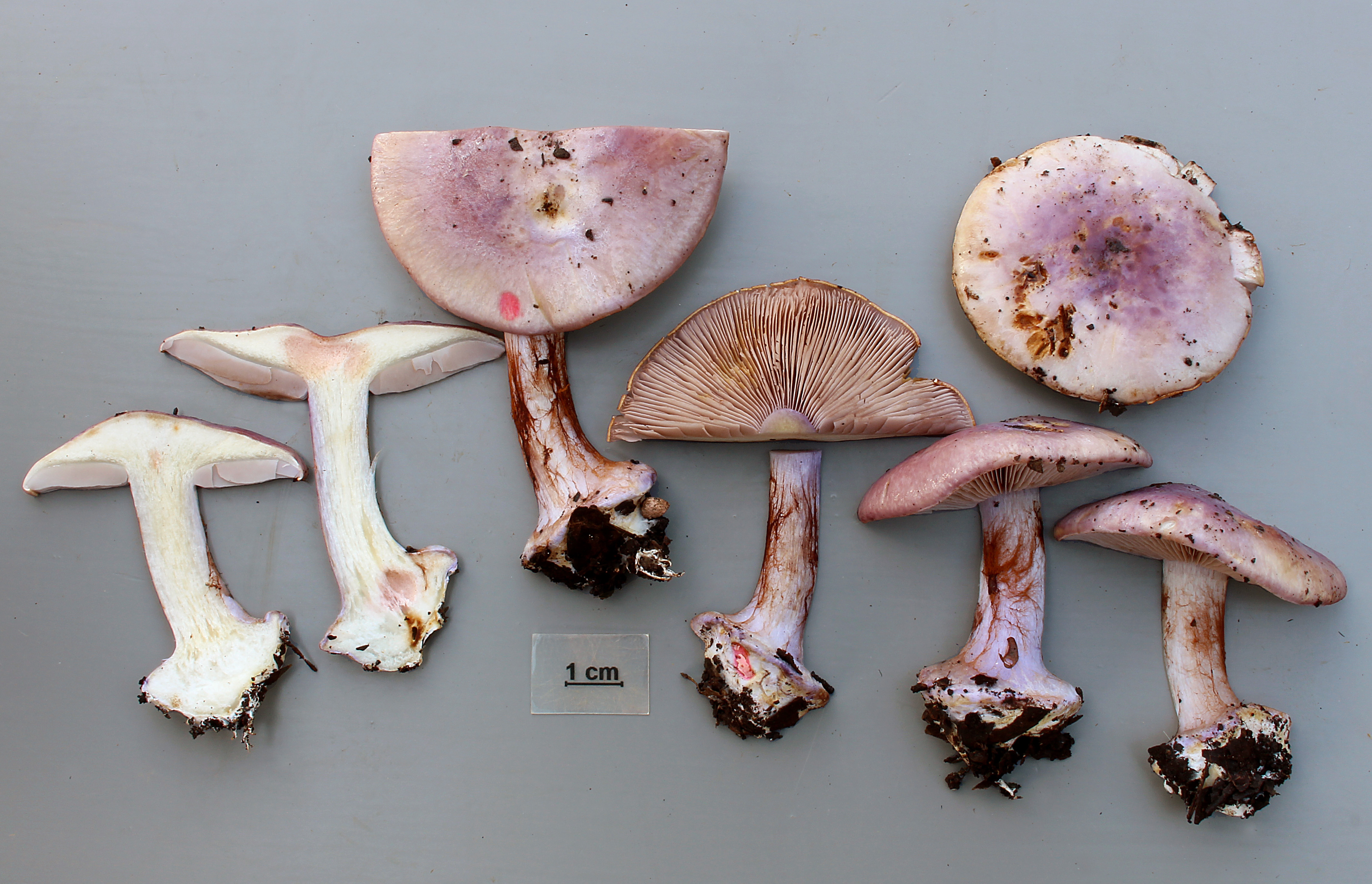
Key Identification Features
- Cap lilac to pale violet, 4–10 cm, dry
- gills violet to lilac when young
- stem violet to pale
- cortina leaving violet fibrous ring zone
- grows under beech and oak
- contains orellanine
- violet color throughout resembles the edible Cortinarius violaceus but more slender
Symptoms & Toxicity
Contains orellanine causing delayed kidney failure 2–3 weeks after ingestion; no early symptoms; permanent kidney damage possible; call Poison Control 1-800-222-1222
Regions Found
Region data not available
Look-Alikes
No documented look-alikes on record.
Safety disclaimer: This page is for educational purposes only. Never eat a wild mushroom based solely on online information. Always verify identification using multiple reliable field guides and, when possible, consult an experienced forager or mycologist. When in doubt, don't eat it. Spore & Scout accepts no responsibility for identification errors or adverse reactions. If you believe someone has ingested a toxic mushroom, call Poison Control (1-800-222-1222) immediately.