This is a beginning, not a complete cookbook. We picked the roughly ten edible species that show up most often across our regional trail guides — the Appalachian Trail, Pacific Crest Trail, and Adirondack High Peaks guides — because those are the mushrooms you're statistically most likely to actually find and correctly identify in the field. As we add more regions and more confirmed species, we'll add more cooking notes here too.
If you haven't already, start with How to Find Mushrooms: A Beginner's Guide to Looking — this page assumes you've already found and correctly identified something edible. It's not an ID guide by itself.
🍄 The Ten Species
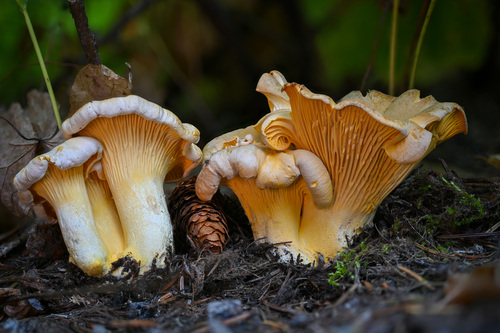
Golden Chanterelle
Cantharellus cibarius
📍 Shows up on the Appalachian Trail, Pacific Crest Trail, and Adirondack guides — the most consistently recurring edible on the whole site. See full ID details →
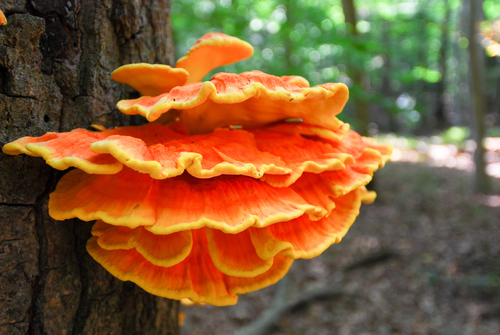
Chicken of the Woods
Laetiporus sulphureus
📍 Appears on both the Appalachian Trail and Adirondack guides. See full ID details →
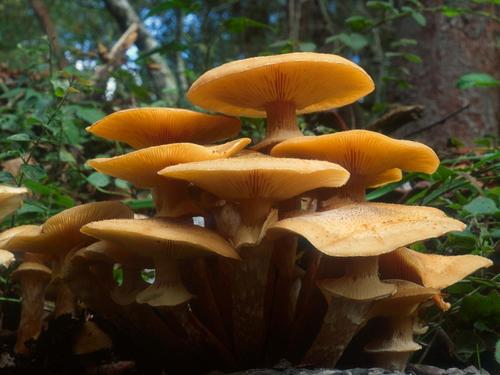
Honey Mushroom
Armillaria mellea
📍 Appears on both the Appalachian Trail and Adirondack guides. See full ID details →
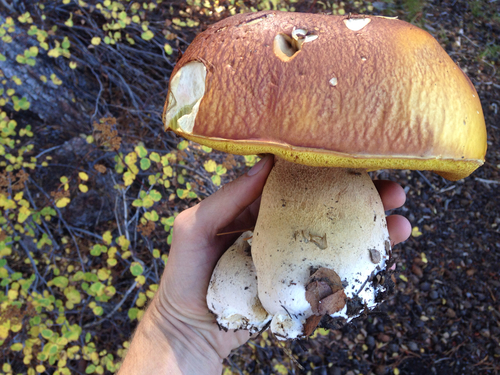
King Bolete / Porcini
Boletus edulis
📍 Turns up as the Adirondack "King Bolete" and the PCT's "Sierra Porcini" — same species, different mountains. See full ID details →
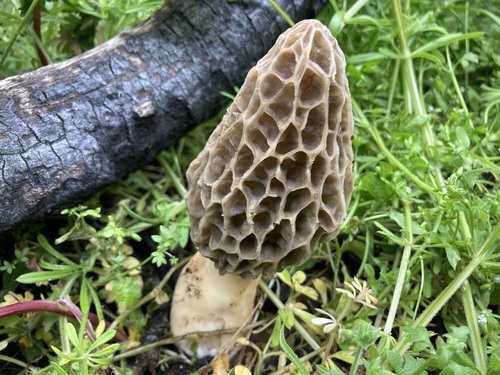
Morels
Morchella species
📍 Featured on the Adirondack guide as a spring species. See full ID details →
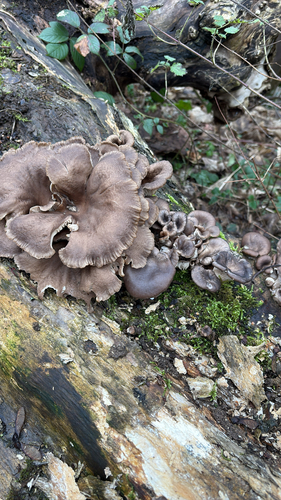
True Oyster Mushroom
Pleurotus ostreatus
📍 Featured on the Adirondack guide. See full ID details →
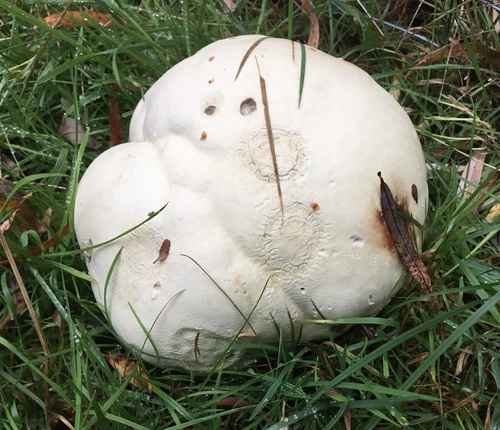
Giant Puffball
Calvatia gigantea
📍 Featured on the Adirondack guide. See full ID details →
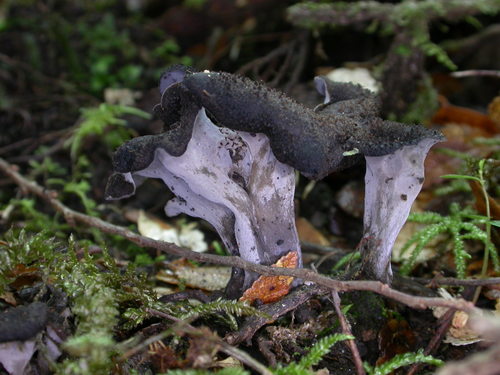
Black Trumpet
Craterellus cornucopioides
📍 Featured on the Appalachian Trail guide. See full ID details →
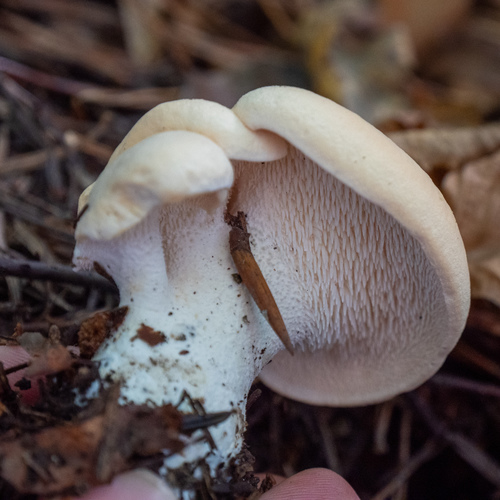
Hedgehog Mushroom
Hydnum repandum
📍 Featured on the Appalachian Trail guide. See full ID details →
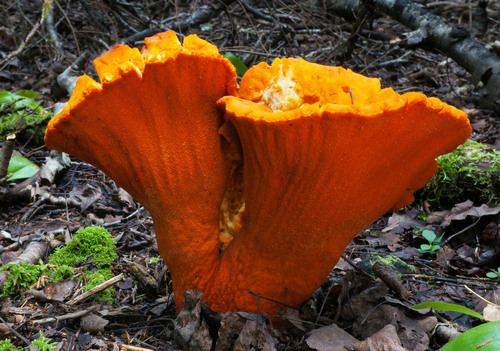
Lobster Mushroom
Hypomyces lactifluorum
📍 Featured on the Adirondack guide. See full ID details →