Blinded by Experience
Years of doing something right can quietly become the reason you stop checking whether you still are
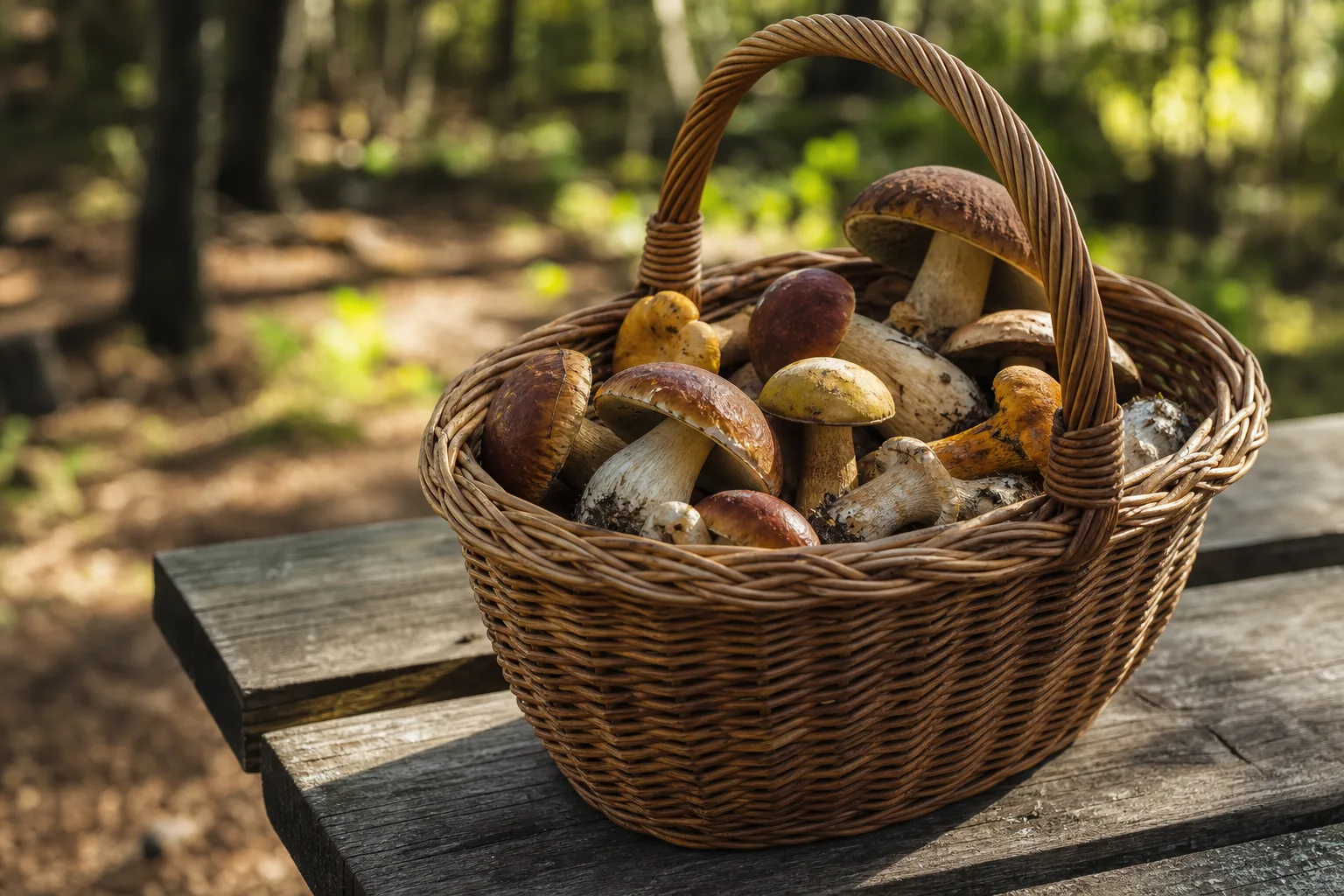
He'd been foraging for close to twenty years by the time he met his friend at the trailhead that afternoon, and it showed in the easy, unhurried way he set the basket down on the tailgate to show it off. A good haul — a mix of things, most of them things his friend couldn't have named on sight. Near the top, pale and open-capped, was a cluster he called parasols, the way he'd been calling them for most of those twenty years.
"Already had some for lunch," he said, almost as an afterthought, tapping the side of the basket. "These are from the same patch. Good year for them."
His friend nodded, mostly because there wasn't much else to do with the information. It was the kind of thing you say about a good vegetable garden, not a warning.
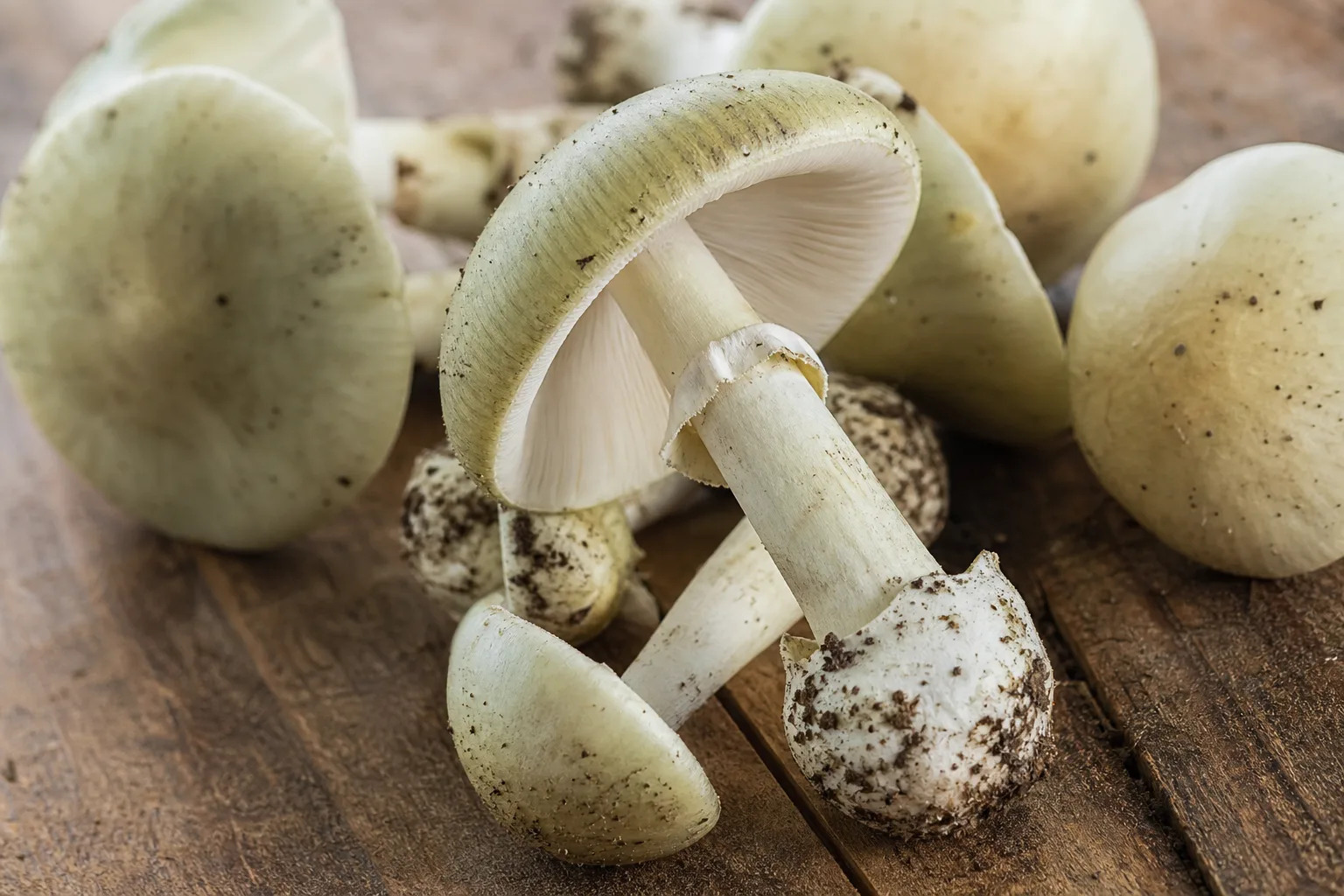
What had actually happened, hours earlier and alone, was smaller and quieter than anything that would have made a story on its own. He'd found the patch, recognized it as the same spot he'd picked clean the year before, and moved through the cluster the way he moved through most clusters now — quickly, confidently, checking the things that had always told him what he needed to know. Cap shape. The way they sat in the grass. A general impression, built up over two decades, of what a parasol looked like from three feet away. Somewhere in that cluster, low and easy to miss if you weren't looking hard, was a single cap that wasn't a parasol at all — pale, greenish at the crown, with a white cup at the base of the stem that a first-year forager is taught, on day one, never to skip past. He didn't check the base. He hadn't checked the base of a mushroom in this genus in a long time.
That was the part of it that would be hardest to explain to anyone afterward, including himself. A beginner checks every feature on every mushroom because a beginner doesn't trust their own eye yet, and doesn't have a reason to. He'd had a reason to, once. Twenty years of finds that turned out fine had slowly replaced the checking with something faster and less careful — not recklessness, nothing he would have called cutting corners at the time, just a kind of fluency that had stopped asking questions it used to ask automatically. He cooked what he'd picked, ate a plate of it standing at his own counter, and thought nothing else about it until he was standing at a tailgate showing the rest of it off. I should have looked at my handbook before I ate lunch, he'd think later, in a hospital bed, in the specific tone of a thought that arrives exactly once and far too late to matter.
His friend leaned over the basket a little longer than politeness required, turning one of the pale caps slightly with two fingers, and felt something small and wordless catch in the back of his mind. He didn't know parasols from anything else, not really — he wasn't a forager himself, and he knew it. But something about the coloring near the stem, or the way this one cap sat differently among the others, didn't square with the rest of the pile in a way he couldn't have named if you'd asked him to. He almost said something right then. He didn't, because the man across the tailgate from him had two decades on him in exactly this, and who was he to squint at somebody's basket and suggest anything was wrong with it.
They talked for a while after that. Not long, by the clock — twenty minutes, maybe a little more, catching up the way people do at a trailhead before heading their separate ways. But his friend kept glancing back down at the basket while they talked, and the small unnamed thing didn't go away the way small unnamed things usually do. Eventually he said it, plainly, the way you say something you've decided is worth the risk of sounding foolish: "Hey — I don't know what I'm looking at, but that one right there looks off to me. Might be worth a second look before anyone eats more of it."
His friend was right to say it. He was also, by then, already too late to matter as much as it would have an hour earlier. The lunch was behind them by the time the words were out, sitting quietly in a body that wasn't showing anything yet and wouldn't for a while longer. Neither of them knew that in the moment. It just sat there between them, a comment made a beat later than it could have been, about a mistake made hours before either of them had any reason to be looking at all.
"Confidence isn't the same as certainty, and years of experience can become a blind spot."
— Spore & ScoutThe symptoms started that evening — the kind of severe gastrointestinal illness that announces itself loudly enough to send anyone to an emergency room, whatever they'd eaten. He described the mushroom to the intake nurse the same confident way he'd described it at the tailgate, parasols, a patch he'd picked clean before, years of doing exactly this. It didn't change anything about what was already moving through him. His friend, who'd driven him in, said it more than once in the waiting room, quietly and without any edge to it: "You should have known better. You've been doing this a long time." It wasn't an accusation. It was just true, in the plain way true things sometimes are, and it landed that way — not as blame, but as the simple fact that this had never been a beginner's mistake to make.
A doctor came in eventually, asked the standard questions, and somewhere in the middle of them asked how long he'd been foraging. "Years," he said. The doctor didn't pause long over it, didn't raise her voice, didn't make it personal in any way at all. "You should have known better, then," she said, moving on to the next question on her list, "with your experience." There was nothing cruel in how she said it. There was nothing especially kind in it either. It was just a fact, stated the way clinical facts get stated, by someone whose only stake in the answer was getting the rest of the history right.