Just Breathe
Long before I ever looked twice at a mushroom, I already knew what it meant to slow down — I learned it deer hunting
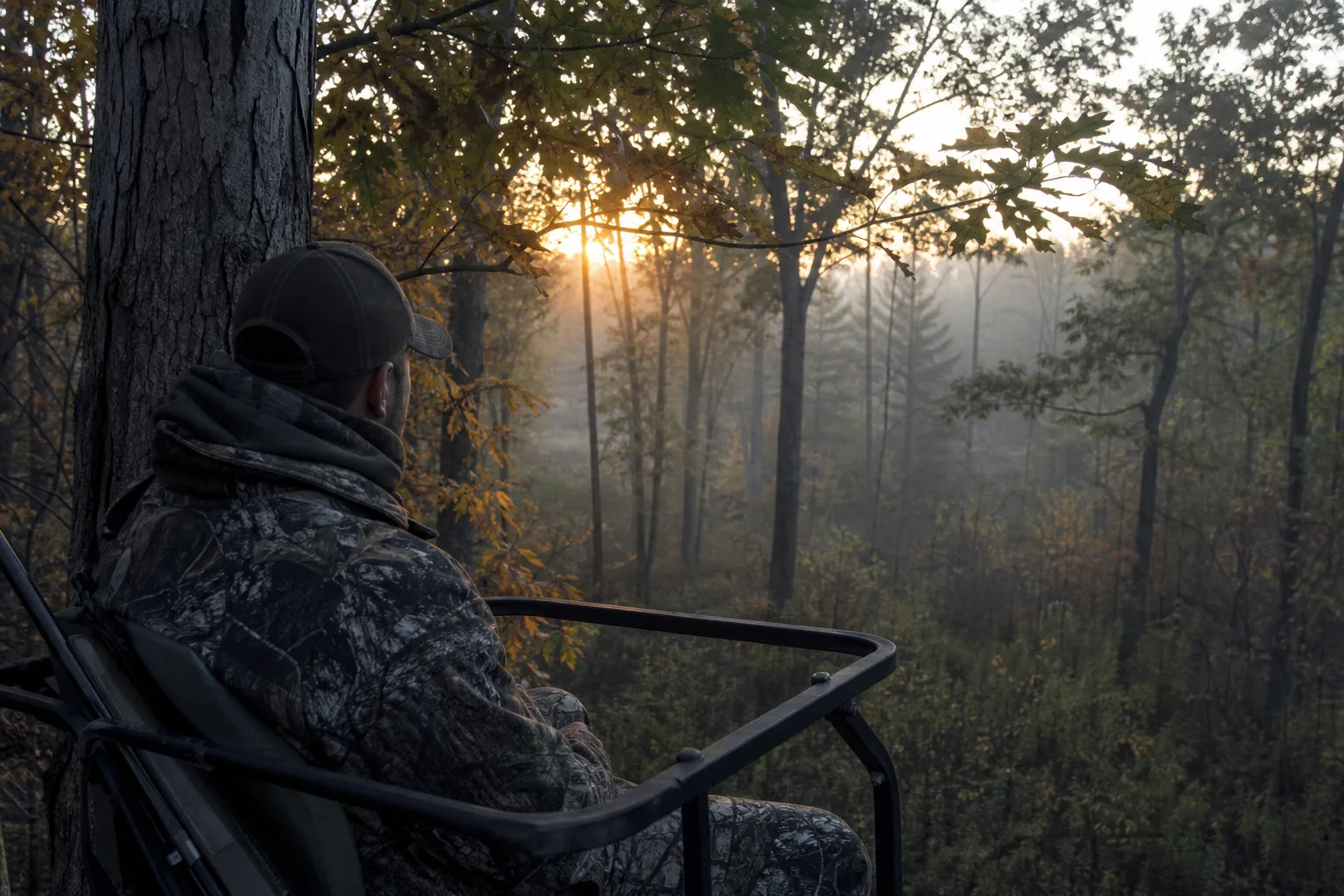
Long before I ever looked twice at a mushroom, I already knew what it meant to slow down. I learned it deer hunting.
I used to tell myself, sitting still in the cold, waiting on a stand: just breathe. It sounds simple, almost too simple to matter. But it was the difference between seeing a deer and never knowing one had been there at all. Most people who go into the woods move through them. They walk to get somewhere. They crash through brush without meaning to, impatient, eyes forward, thinking about the next ridge instead of the one they're standing on. I did that too, when I was younger. I didn't have the edge yet.
Just breathe was how I got it. It wasn't really about my nerves, or steadying a shot — it turned into something bigger than that over time. It was permission to stop moving and start watching. Once I actually did that, the woods stopped being scenery and started being information.
I learned to read deer movement — not just seeing a deer, but understanding what a deer had already told me before I ever saw it. I learned the particular way turkeys scratch at the leaf litter, different from a squirrel, different from wind, a pattern you only notice once you've stopped and let your eyes adjust to stillness instead of speed. None of that comes from being told what to look for. It comes from giving the woods enough time to show you, on their own terms, instead of demanding they perform for you on your schedule.
I didn't know it then, but I was building something that would matter to me for the rest of my life. The same patience that let me read a deer's trail is the same patience that, years later, let me actually notice a mushroom fruiting at the base of a tree that anyone else would have walked straight past. The skill was never really about deer, or turkeys, or mushrooms specifically. It was about learning to be still enough, and quiet enough, for the woods to tell you what's actually there.
"The real cost of moving too fast isn't that you get somewhere later — it's that you never see what you walked past to get there."
— Spore & ScoutThat's the real cost of moving too fast — not that you get somewhere later, but that you never see what you walked past to get there. Missed opportunities aren't usually dramatic. They're quiet. They're a shape at the base of a tree, a scratch mark in the dirt, a sign that was there the whole time, for anyone patient enough to notice it.
Just breathe. Slow down. Look. It gave me an edge in the woods once, for one reason. It's given me a way of seeing everything since.